
No products in the cart.
Uncategorized
The Complete Guide to High-THCA Flower: What Real Potency Actually Means
The Complete Guide to High-THCA Flower: What Real Potency Actually Means
Walk into any dispensary or scroll any cannabis shop online. You’ll see the same number plastered across every jar: THCA percentage. Twenty-eight percent. Thirty-two percent. Some listings even push past thirty-five. For newer smokers, that number can look like the whole story. Experienced users know better. They’ve built a real tolerance and know what a strong flower actually feels like, so the percentage is only the opening line. The full story lives in the trichomes, the terpene profile, the curing process, and the transparency of the brand putting the product in your hand.
This guide breaks down what high-THCA flower actually is. It covers why potency numbers alone don’t tell you everything, and what separates flower genuinely built for heavy hitters from flower that’s just marketed that way. Along the way, we’ll walk through how a brand like High Tolerance approaches sourcing, lab testing, and quality control. At the end of the day, the difference between a good session and a forgettable one usually comes down to details most buyers never think to check.
What Is THCA, and Why Does It Matter More Than You Think
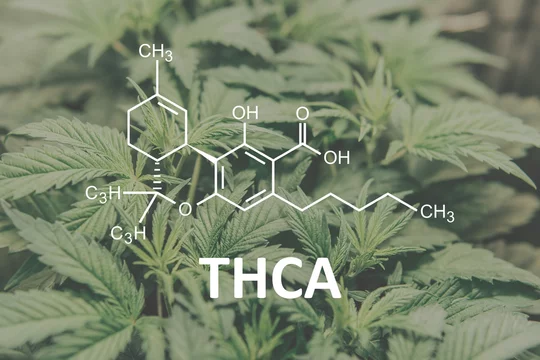
THCA, or tetrahydrocannabinolic acid, is the raw, non-intoxicating compound found in freshly harvested cannabis. It’s the precursor to THC, the cannabinoid most people associate with cannabis’s psychoactive effects. Raw cannabis plants don’t actually contain much THC at all. Instead, they’re loaded with THCA, which converts to THC through a process called decarboxylation, triggered by heat. When you smoke, vape, or otherwise heat cannabis flower, that conversion happens almost instantly, transforming THCA into active THC.
This is why THCA percentage has become the industry’s shorthand for potency. A flower testing at 30% THCA has significantly more raw cannabinoid content than one testing at 18%. Once heat is applied, that difference translates directly into strength of effect. Experienced users who’ve built tolerance over months or years of regular use often chase higher THCA percentages for a specific reason. It’s less about intensity for its own sake and more about efficiency, getting a fuller, more satisfying experience without needing to go through more flower than necessary.
But raw percentage is a snapshot, not the whole picture. Two flowers can test at identical THCA levels and still feel completely different. How they were grown, cured, and stored makes the difference. This is where a lot of buyers get misled, and it’s worth understanding why.
Why Two Jars With the Same THCA% Can Feel Totally Different
If you’ve ever bought two products with nearly identical lab numbers and noticed one hit noticeably harder, you’re not imagining things. THCA percentage measures one thing: the concentration of that particular cannabinoid in the flower at the time of testing. It says nothing about the factors below.
What THCA Percentage Doesn’t Measure
Terpene density. Terpenes are the aromatic compounds responsible for a strain’s smell and flavor. They also interact with cannabinoids to shape the overall effect, something often referred to as the entourage effect. A flower rich in myrcene might produce a heavier, more sedating experience. One dominant in limonene or pinene can feel brighter and more energizing instead. Two flowers with the same THCA number but different terpene profiles will not feel the same.
Trichome density and quality. Trichomes are the tiny, crystal-like structures on the surface of the flower. This is where cannabinoids and terpenes are actually produced and stored. Dense, well-formed trichomes mean more of the plant’s potency is concentrated and preserved. Flower that looks dusty and frosted under light typically has a higher functional potency, even if the lab sheet says otherwise.
Curing and Freshness Change Everything
Curing process. Freshly harvested cannabis needs to go through a proper drying and curing cycle to reach its full potential. Rushed curing can leave chlorophyll and moisture behind. That produces a harsher smoke and a less refined flavor, even when raw cannabinoid content is high. A slow, controlled cure allows the plant’s sugars and terpenes to stabilize. This is part of why properly cured flower tends to burn cleaner and taste better.
Storage and freshness. THCA and terpenes are both volatile compounds. Exposed to heat, light, and air, they degrade over time. A jar that tested at 30% THCA six months ago won’t deliver that same experience if it’s been sitting in a hot stockroom under fluorescent lighting. Freshness matters as much as the original lab number.
This is exactly why relying on THCA percentage alone is a mistake. It’s a useful data point, but it needs context. Lab results and transparent sourcing matter far more than a single number on a label.
How to Actually Read a Certificate of Analysis (COA)
Every legitimate cannabis brand should be able to provide a Certificate of Analysis, commonly called a COA, for each batch of flower it sells. This is a lab report generated by a third-party testing facility. It’s the single most useful tool a buyer has for evaluating what they’re actually purchasing. Here’s what to look for.
Cannabinoid and Terpene Data
Cannabinoid breakdown. Beyond total THCA, a full-panel COA will show levels of other cannabinoids present. That includes CBD, CBG, CBN, and minor cannabinoids that contribute to the overall effect. A flower with a broader cannabinoid profile often produces a more balanced, layered experience than one that’s purely THCA-heavy.
Terpene profile. Not every dispensary or brand publishes terpene testing. The ones that do are giving you real insight into how the flower will actually feel and taste. Look for total terpene percentage as a secondary potency indicator. Flower testing above 2% total terpenes is generally considered strong, aromatic, and flavorful.
Safety and Batch Verification
Contaminant screening. A trustworthy COA also screens for pesticides, heavy metals, residual solvents, and microbial contaminants like mold or bacteria. This section matters just as much as the potency numbers, especially for anyone smoking flower regularly. Skipping this check to chase the highest THCA number on the shelf is a common mistake experienced users eventually learn to avoid.
Batch and testing date. A COA tied to a specific batch number, with a recent testing date, tells you the report actually reflects what’s in your hand. It’s not a marketing average pulled from an old harvest. If a brand can’t produce batch-specific results, treat any potency claims with skepticism.
Brands that make lab results easy to find and easy to read are signaling something important. They have nothing to hide, and they expect their product to hold up under scrutiny. That transparency is one of the clearest markers of a serious cannabis brand versus one leaning purely on marketing.
What “High Potency” Actually Means for Experienced Users
There’s a meaningful difference between a strain that’s technically high in THCA and a product genuinely built for someone with an elevated tolerance. For newer users, even mid-range percentages can produce a strong effect. But tolerance changes the equation. Regular users develop receptor desensitization over time, meaning the same dose that once felt strong gradually produces a milder response. This is a well-documented pattern with regular cannabinoid use. It’s the reason experienced smokers often seek out flower with:
- Higher raw THCA percentage to compensate for reduced sensitivity
- Dense, resinous trichome coverage that delivers more cannabinoid content per gram
- Bold, complex terpene profiles that keep the experience from feeling flat or repetitive
- Consistency across sessions, so the tenth jar feels like the first
This is really what “built for experienced users” should mean in practice. It’s not just a bigger number on the label, but a product engineered from cultivation through packaging to deliver a reliable, elevated experience batch after batch. Consistency is often the most underrated part of potency. A flower that hits hard once but varies wildly batch to batch isn’t actually serving heavy users well. It’s just occasionally getting lucky.
Cultivation Choices That Actually Drive Potency
Potency isn’t an accident. It’s the result of dozens of specific decisions made throughout the growing process, long before a bud ever reaches a jar.
Genetics. Certain cultivars are simply bred to produce higher cannabinoid and terpene content than others. Selecting proven, high-testing genetics as a starting point is the foundation everything else builds on.
Light and environment. Cannabis plants grown under optimized light spectrums, with tightly controlled temperature and humidity, tend to develop denser trichome structures. Stress from poor environmental conditions can reduce a plant’s cannabinoid output significantly.
Harvest timing. Trichomes go through a maturation cycle: clear, then cloudy, then amber. Harvesting at the right window, generally when trichomes are mostly cloudy with some amber, captures peak cannabinoid content. Harvest too early and potency is left on the table. Harvest too late and the profile shifts toward a more sedative, degraded THC.
Drying and curing. A slow cure in controlled humidity allows chlorophyll to break down and terpenes to stabilize. That’s part of why properly cured flower smells and tastes noticeably better than rushed product, even at the same THCA percentage.
Trimming and handling. Manual trimming, done carefully, preserves more trichomes than machine trimming. Machine trimming can knock off the very structures responsible for potency and flavor. Careful handling all the way through packaging protects what the growing process worked to build.
Every one of these decisions compounds. A brand that controls quality at each stage, rather than only at the final testing step, is far more likely to deliver flower that performs the way its lab sheet promises.
The Role of Terpenes in a Strong Session
It’s worth spending more time on terpenes. They’re consistently the most overlooked part of the potency conversation. Terpenes are aromatic oils found throughout the plant kingdom, not just in cannabis. They’re what give pine trees their scent and citrus fruit its brightness. In cannabis, terpenes do more than create smell and flavor. Research into the entourage effect suggests they modulate how cannabinoids interact with the body, shaping whether an experience feels more energizing, more relaxing, or somewhere in between.
Some of the most common cannabis terpenes include:
- Myrcene — earthy, musky, often associated with a heavier, more relaxing effect
- Limonene — citrus-forward, often associated with an uplifted, brighter feeling
- Caryophyllene — peppery and spicy, the only terpene known to interact directly with cannabinoid receptors
- Pinene — sharp, pine-forward, often associated with alertness
- Linalool — floral and lavender-like, often associated with calm
A flower with a rich, well-preserved terpene profile doesn’t just smell better opening the jar. It delivers a fuller sensory and experiential range. This is part of why bold aroma and dense smoke are often cited as hallmarks of premium flower. They’re not just cosmetic details; they’re direct evidence of terpene and trichome preservation.
Common Mistakes Buyers Make When Chasing Potency
After years of watching the high-THCA market grow, a few recurring mistakes stand out among buyers trying to find genuinely strong flower.
Chasing the number alone. A headline THCA percentage without supporting lab data, terpene information, or brand transparency is often more marketing than substance. Some listings inflate numbers or cherry-pick the highest-testing sample from a harvest rather than reporting a realistic batch average.
Ignoring freshness. Flower loses potency over time, especially if stored improperly. A high-testing product sitting on a shelf under bad conditions for months won’t deliver the same experience as the same strain fresh off a recent harvest.
Overlooking visual and sensory cues. Dense trichome coverage, vibrant color, and a strong aroma are all indicators worth trusting alongside lab data. Flower that looks dull, dry, or lacks a strong smell is unlikely to perform at the level its label claims.
Buying from brands without accessible lab results. If a brand can’t or won’t produce recent, batch-specific COAs, that’s a signal to look elsewhere. Transparency isn’t a bonus feature for a serious cannabis brand; it should be baseline.
Assuming higher is always better. Beyond a certain point, chasing ever-higher THCA percentages can cost you terpene richness and overall smoking experience. A flower engineered purely to hit a number can sometimes sacrifice flavor and complexity in the process. The best high-potency flower balances strength with everything else that makes a session worth having.
What Sets High Tolerance Flower Apart
High Tolerance was built around a simple premise: experienced users deserve flower that’s engineered for them, not repackaged mid-tier product with an inflated number slapped on the label. Every release focuses on strength, flavor, and consistency working together, not one at the expense of the others.
That starts with dense, trichome-rich buds sourced with quality controlled from cultivation through final packaging. It carries through to clean burn and smooth smoke, the kind of details that only show up when curing and handling are done right. It shows up in the numbers too. Bold cannabinoid levels pair with terpene-rich profiles that produce the aroma, dense smoke, and long-lasting effects experienced users are actually looking for.
Potency isn’t just a spec sheet for a brand built at the intersection of cannabis culture, music, and street fashion. It’s part of a broader standard. A decade of staying true to a simple mission, quality first, no shortcuts, real product for real supporters, is what separates a brand chasing a trend from one built for the long haul.
Every drop is approached with the same standard, from flower lines like Lato Pop, Black Cherry, and High Tolerance Milk through to Lato Pop Jaw Breakers. Strong cannabinoid levels, terpene-rich profiles, and consistency users can count on session after session define the lineup. That consistency is the real marker of high potency done right. It’s not a single impressive lab result, but a track record of it, batch after batch.
How to Choose the Right High-THCA Flower for Your Tolerance Level
Not every high-potency flower is right for every experienced user. Matching the right strain to your preferences matters as much as chasing raw numbers. A few practical starting points:
If you want a heavier, more relaxing effect, look toward flower with a myrcene-dominant terpene profile, often found in indica-leaning strains. These tend to pair well with high THCA content for a deep, grounded experience.
If you want something more energizing or social, limonene- or pinene-forward strains, typically sativa-leaning, tend to deliver a brighter, more alert high even at high potency levels.
If you’re looking for balance, hybrid strains with a broad cannabinoid and terpene profile tend to offer the most well-rounded experience. This matters especially for daily or regular use, not just a high THCA number.
If flavor matters as much as strength, prioritize flower with published terpene testing over flower that only advertises THCA percentage. A high terpene percentage alongside high THCA is a much stronger indicator of a satisfying, flavorful session.
Whatever you land on, the smartest approach treats THCA percentage as one input among several. Lab transparency, trichome density, terpene richness, and brand consistency all deserve equal weight in the decision.
Storing High-THCA Flower to Preserve Potency
Once you’ve found flower that actually delivers, protecting that potency matters just as much as the original quality. A few fundamentals:
- Airtight storage matters. Oxygen exposure degrades both cannabinoids and terpenes over time. Airtight glass containers are the standard for a reason.
- Darkness preserves potency. UV light breaks down THC and accelerates degradation. Storing flower away from direct light, in a drawer, cabinet, or opaque container, preserves potency significantly longer.
- Cool beats cold. Excess heat speeds up cannabinoid degradation, but freezing flower can damage trichomes. A cool, stable room temperature is ideal.
- Humidity needs balance. Too dry and terpenes evaporate, leaving harsh, flavorless smoke. Too humid and mold risk increases. Humidity-control packs designed for cannabis storage can help.
Flower stored properly can maintain strong potency and flavor for months. Careless storage costs a meaningful percentage of that punch within weeks. That’s worth remembering the next time a great jar starts to feel less impressive than it did on day one.
Frequently Asked Questions
Does higher THCA percentage always mean a stronger high? Generally yes, since higher raw THCA content converts to more available THC when heated. Terpene profile, trichome quality, and freshness also shape how strong an effect actually feels, which is why two flowers with similar percentages can feel noticeably different.
Why do lab results matter if the flower already looks and smells strong? Visual and sensory cues are useful, but lab testing confirms cannabinoid content objectively. It also screens for contaminants that aren’t visible or detectable by smell. Both matter together.
Is it normal for THCA percentage to vary between batches of the same strain? Yes. Even with identical genetics, environmental conditions, harvest timing, and curing can all cause some variation batch to batch. Brands with strong quality control keep that variation tight, which is part of what makes consistency such a valuable marker of a serious cultivator.
What’s the difference between THCA flower and delta-9 THC products? THCA flower contains cannabinoids in their raw, acidic form that convert to active THC when heated through smoking or vaping. Delta-9 THC products already contain activated THC and don’t require heat to convert.
Final Thoughts
High-THCA flower has become the benchmark experienced users reach for, but the number on the jar is only the beginning of the story. Real potency is built through genetics, cultivation, timing, curing, and handling. It’s confirmed, not just claimed, through transparent, batch-specific lab testing. The brands worth trusting are the ones willing to show their work at every step, not just the ones printing the biggest number on the label.
For those who’ve put in the time and built a real tolerance, flower that delivers consistently, strong, flavorful, and reliable from the first jar to the fiftieth, is worth more than any single impressive lab result. That’s the standard High Tolerance builds toward with every drop.
Explore the current lineup and lab results at High Tolerance.

Pingback: THCa vs THC: What's the Difference? (2026 Guide) | High Tolerance